Panth Softech Team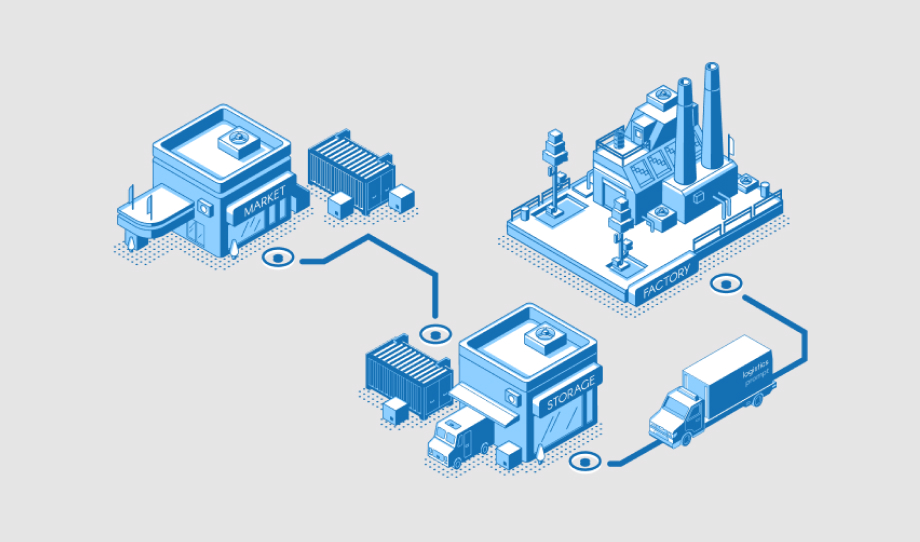
Today, almost every device is connected; whether it is your smartwatch, air conditioner, or television, we can say it’s a world where devices are more connected than people. No, doubt these connected gadgets present around us make our lives easier by working systematically. This is possible because of the most popular concept known as the Internet of Things, which can also influence the procurement team.
IoT, a.k.a Internet of Things, can be defined as a network of interconnected computing devices, either mechanical or digital machines. This technology allows transferring data without human-to-human interaction or human-to-computer interaction. Communication is possible using networks and cloud-based systems.
An IoT ecosystem includes web-enabled smart devices that collect, send and work on data collected from their surroundings utilizing embedded systems such as CPUs, sensors, and communication hardware.
IoT devices can exchange sensor data stored in the cloud for analysis purposes or examined locally by interlinking to an IoT gateway or other edge devices.
Besides this, these gadgets can connect with other related devices and respond according to the information they receive from one another. Even individuals can operate the devices for the beginning setup, give instructions, or recover data; the device can perform most of the tasks without human interference.
The Role of IoT in Procurement
Procurement is an important part of the business. It demands the implementation of new technologies to boost productivity, enhance customer service and save costs. As of now, the procurement process is also embracing automation; IoT in this process is one of the most exclusive things happening in the era of digital transformation.
The inclusion of the Internet of Things will provide greater spending visibility and understanding of the supply and equipment used for the procurement process. So, with a proper understanding of what is being used and the requirement specified, the procurement team will have access to optimize catalogs and manage expenditure. Forecasting demands more closely using analytics can significantly improve budget and contract management. This also helps in improving budget and contract management. Despite this, the data generated through IoT sensors and other devices can assist in making informed decisions.
Let’s know how IoT works in procurement.
Traceability of Materials:
A study done by a McKinsey Global Institute shows that by the end of 2025, the Internet of Things’ possible contributions to inventory management, logistics, and supply chain management would reach 560 billion to $850 billion per year. This shows the possible IoT-oriented future awaiting us. Most of the time, IoT contributes to these sections by tracking. IoT sensors can help in making inventory management systems more effective.
For instance, RFID tags connected with IoT devices can track physical inventories and eliminates the need to scan barcodes or labels. In fact, businesses with vast inventory can track the days before items expire using interlinked IoT devices, saving the business from huge losses. IoT also prevents product theft by enabling businesses to know the location of their products.
With the use of machine learning, procurement teams can manage products per demand.
Supply Chain Visibility:
In this process, the procurement team can also potentially use IoT technology. Supply chain visibility, items are documented as transported from the manufacturer to the customer. An IoT-enabled system can read data from various devices like smart tags and sensory data like surrounding temperature and humidity, vehicle speed, and geolocation and accordingly follow the supply chain when connected to it.
The adoption of IoT devices to track inventory and route planning provides the details about where and when items are delayed in transportation. This allows emergency planning and identification of other options to accelerate the supply chain.
Stock Management:
Along with smart shelves and storage bins that inform about the stock levels in real-time and how long the product has been on the shelf, IoT also assists in detecting the pattern of consumption.
For instance, if a product named X is on shelf A and has been the quickest utilized item, IoT sensors will monitor the usage rate and suggest its economic order quantity (EOQ).
This clears how essential procuring an item is, which products are needed, and what amount. Procuring the right inventory quantity reduces costs by lowering waste and the menace of shortage.
Monitor and Alert Maintenance:
The sudden breakdown of equipment in a production unit is the most horrifying dream as it disrupts the business. If the condition of the equipment is not known, things become more difficult and result into process disturbance, indefinite downtime, and even business loss. Regular monitoring of the equipment’s condition through IoT sensors permits the team to watch indicators like vibration, oil, temperature, and performance.
When these indicators go out of range, the sensor alerts the team via computers.
In fact, smart sensors also alert when a machine’s working pattern changes or is about to fail. So this allows teams to schedule the maintenance, decrease the chances of sudden machine failure, and ensure seamless productivity.
Better Decision Making With Predictive Data Analytics:
Procurement teams can predict the future using predictive data analytics and spend analytics. These predictions assist in making critical decisions for designing and executing business techniques. Continous flow and accumulation of data with IoT devices also help create more robust and relevant historical data.
Infact, joining IoT data with additional data coming from other sources can boost business growth.
For example, knowing what quantity of a product is needed can help send accurate requisitions for approvals and create error-free purchase orders.
For example, having information on what quantity of a product is being used can help in sending accurate requisitions for approvals and generating error-free purchase orders. This results in an efficient and effective purchase management system. Data collected by IoT can also be used for onboarding suppliers with supplier management solutions to get new products based on previous performance metrics and set criteria.
IoT Procurement Takeaway:
The Internet of Things has become a sensation and is impacting almost every industry. So, it will be smart to invest in this technology and unheave the existing business model.
The procurement team requires a comprehensive IoT framework consisting of machine learning, artificial intelligence, and embedded technologies. These technologies, all together, can bring holistic change and offer maximum benefit.
FAQ About How IoT Helps Procurement Teams Improve Productivity
- What is IoT in procurement, and how does it improve productivity?
IoT (Internet of Things) connects devices, equipment, and inventory through sensors that collect and share real-time data. This helps procurement teams monitor stock levels, track assets, automate reordering, and reduce manual work. As a result, businesses make faster purchasing decisions, lower operational costs, and improve overall supply chain efficiency.
- How does IoT help procurement teams reduce costs?
IoT helps reduce procurement costs by providing accurate inventory data, preventing overstocking and stock shortages, and improving supplier performance tracking. Automated purchasing based on real-time demand also reduces waste, minimizes emergency orders, and ensures businesses buy the right materials at the right time.
- Can IoT improve supplier management and procurement decisions?
Yes. IoT provides real-time insights into supplier deliveries, shipment conditions, and inventory availability. Procurement teams can use this data to evaluate supplier reliability, identify delays early, and make informed purchasing decisions. Better visibility helps build stronger supplier relationships and improves overall procurement planning.
- How is IoT different from traditional procurement management?
Traditional procurement often depends on manual tracking, spreadsheets, and delayed reporting. IoT automates data collection through connected devices, providing live visibility into inventory, assets, and supply chains. This enables faster decision-making, reduces human errors, and creates a more efficient procurement process than traditional methods.
- Which industries benefit the most from IoT-enabled procurement?
Industries such as manufacturing, healthcare, retail, logistics, automotive, energy, and construction gain significant value from IoT-enabled procurement. Businesses that manage large inventories or complex supply chains use IoT to improve inventory accuracy, reduce downtime, streamline purchasing, and maintain consistent operations.
- How does Panth Softech help businesses implement IoT solutions for procurement?
Panth Softech develops customized IoT solutions that integrate with procurement and ERP systems to provide real-time inventory tracking, predictive analytics, automated workflows, and intelligent reporting. The company helps businesses improve operational visibility, increase procurement efficiency, and support long-term digital transformation goals.
- Why should businesses choose Panth Softech for IoT development services?
Panth Softech combines expertise in IoT, AI, cloud technologies, and enterprise software development to deliver scalable and secure solutions. The team focuses on business-specific requirements, seamless system integration, reliable support, and measurable outcomes that help organizations modernize procurement and improve productivity.
- What should businesses consider before adopting IoT for procurement?
Before implementing IoT, businesses should assess their procurement workflows, existing software, integration requirements, data security needs, and long-term scalability. Choosing an experienced technology partner ensures smooth deployment, reliable performance, and solutions that align with business objectives while delivering a strong return on investment.