Panth Softech Team
Building a software product starts with an idea, but turning that idea into a usable product requires careful planning, development, and investment. For startups and businesses, a Minimum Viable Product (MVP) provides a practical way to test an idea with real users before committing to a full-scale product.
So, how much does MVP development cost? There is no fixed price. The budget depends on factors such as features, complexity, platforms, UI/UX design, technology, integrations, security, testing, and the development team’s location.
In this guide, we’ll explore typical MVP development costs, what influences pricing, how long development can take, hidden expenses to consider, and how to estimate a realistic budget.
What Is an MVP?
A Minimum Viable Product (MVP) is the first usable version of a software product that contains the essential features needed to solve a specific customer problem and gather real-world feedback.
The goal is not to build every feature from the beginning. Instead, an MVP helps businesses:
- Validate a product idea
- Understand customer needs
- Attract early users
- Collect feedback
- Test the business model
- Identify improvements
- Reduce unnecessary development work
For example, a food delivery MVP might include user registration, restaurant listings, menu browsing, ordering, payment, and basic order tracking. Advanced loyalty programs, complex analytics, and additional features can be introduced after the initial product is validated.
This focused approach allows businesses to learn what users actually need before investing in a larger product.
How Much Does MVP Development Cost?
The MVP development cost depends heavily on the scope and technical complexity of the product.
As a general planning range:
| MVP Type | Estimated Cost |
| Simple MVP | $15,000–$30,000 |
| Medium-Complexity MVP | $30,000–$60,000 |
| Complex MVP | $60,000–$120,000+ |
These figures are general estimates rather than fixed prices. A simple content platform may cost significantly less than a marketplace requiring multiple user roles, payment processing, messaging, notifications, and several third-party integrations.
For an accurate estimate, businesses should define the core features, target platforms, integrations, and technical requirements before development begins.
Planning an MVP? A development team can help translate your product idea into a clear scope, timeline, and budget before development starts.
MVP Development Cost by Product Type
The type of product you are building can significantly influence the budget.
SaaS MVP
A SaaS MVP may require user accounts, subscription management, dashboards, payment processing, administrative tools, and cloud infrastructure. Costs increase when the product includes complex workflows or multiple subscription plans.
Mobile App MVP
A mobile MVP can be developed for iOS, Android, or both. Supporting multiple platforms may increase development and testing requirements.
Web Application MVP
Web applications can range from simple customer portals to complex business platforms. The number of dashboards, workflows, integrations, and user roles can have a major impact on cost.
Marketplace MVP
A marketplace often requires separate experiences for buyers and sellers, product or service listings, search, payments, notifications, reviews, and administrative controls.
AI-Powered MVP
An AI MVP may require machine learning models, AI APIs, recommendation systems, data processing, or other specialized infrastructure. These requirements can place an AI-based MVP toward the higher end of the cost range.
Industry-Specific MVPs
Products for industries such as logistics, hospitality, healthcare, fintech, and e-commerce may require specialized workflows, integrations, security controls, or compliance-related considerations.
MVP Development Cost Breakdown
Understanding where your development budget goes makes it easier to evaluate proposals and control costs.
1. Product Research and Planning
Before development, the product idea needs to be defined and evaluated. This stage may include:
- Market research
- Competitor analysis
- User research
- Feature prioritization
- Product requirements
- Technical planning
Good planning helps prevent unnecessary features from entering the MVP.
2. UI/UX Design
Designers create the user experience and visual structure of the application.
This may include:
- User flows
- Wireframes
- Prototypes
- Interface design
- Responsive layouts
- Design systems
The cost depends on the number of screens, user roles, workflows, and design complexity.
3. Frontend Development
Frontend development covers everything users see and interact with. For web applications, this may include dashboards, forms, navigation, search, profiles, and other interface components. For mobile applications, development may involve iOS, Android, or cross-platform technologies.
4. Backend Development
The backend manages business logic, databases, authentication, APIs, user permissions, and server-side functionality. Products with complex workflows, real-time functionality, or large amounts of data typically require more backend development.
5. API and Third-Party Integrations
Many MVPs depend on external services such as:
- Payment gateways
- Maps
- Email and SMS services
- Social login
- Cloud services
- Analytics platforms
- CRM systems
Each integration can add development and testing requirements.
6. Testing and Quality Assurance
Testing should be part of the MVP budget from the beginning.
QA may include:
- Functional testing
- Usability testing
- Performance testing
- Security testing
- Browser testing
- Mobile device testing
Early testing can help identify issues before they become more expensive to fix.
7. Deployment and Maintenance
After development, the product needs to be deployed and maintained.
Ongoing expenses can include:
- Cloud hosting
- Infrastructure
- Security updates
- Bug fixes
- Monitoring
- Technical support
- Future improvements
Factors Affecting MVP Development Cost
Several factors determine the final MVP development cost.
Product Complexity
An application with a few straightforward workflows is generally easier to develop than a platform involving real-time communication, AI, video, complex business logic, or advanced analytics.
Number of Features
More features require more design, development, testing, and maintenance.
For an MVP, separate features into:
- Must-have: Essential for the product to work
- Should-have: Useful but not essential
- Nice-to-have: Can be added after validation
The initial release should focus primarily on must-have features.
Number of Platforms
Building a web application is different from developing native applications for both iOS and Android. Supporting multiple platforms increases development and testing requirements.
UI/UX Requirements
Simple user flows usually require less design effort than products with complex dashboards, animations, multiple user roles, or sophisticated workflows.
Integrations
Every external system introduces additional development, testing, and sometimes subscription costs.
Security Requirements
Products handling financial, customer, healthcare, or other sensitive information may require stronger authentication, authorization, encryption, access controls, and security testing.
Development Team Location
Development rates vary significantly by location. Businesses comparing an MVP development company in the USA with teams in other regions may see substantial differences in hourly rates.
However, price should not be the only consideration. Technical expertise, communication, project management, quality assurance, and post-launch support are equally important.
Average MVP Development Cost by Complexity
Simple MVP: $15,000–$30,000
A simple MVP may include:
- User registration
- User profiles
- Basic search
- Content management
- Limited admin functionality
- Basic notifications
These products generally have straightforward workflows and limited integrations.
Medium MVP: $30,000–$60,000
A medium-complexity MVP may include:
- Multiple user roles
- Advanced dashboards
- Payment integration
- Search and filtering
- Notifications
- API integrations
- Admin panel
- More complex backend functionality
Marketplaces, booking platforms, and business applications can fall into this category depending on their scope.
Complex MVP: $60,000–$120,000+
Complex MVPs may include:
- Artificial intelligence or machine learning
- Real-time communication
- Complex business logic
- Multiple applications
- Advanced analytics
- Large-scale integrations
- Advanced security
- High-performance infrastructure
These products typically require more architecture, development, testing, and deployment work.
MVP Development Pricing: What Are You Paying For?
When comparing MVP development pricing, don’t look only at the development hours.
A complete project budget may include:
- Product strategy
- Business analysis
- UI/UX design
- Technical architecture
- Frontend development
- Backend development
- Database development
- API integrations
- Testing
- Deployment
- Project management
- Post-launch support
A low initial quote may exclude important activities such as QA, security testing, deployment, or ongoing maintenance.
Before selecting a development partner, request a clear scope, deliverables, timeline, and cost breakdown.
What Does an MVP Development Team Include?
The size and structure of the development team depend on the product.
A typical team may include:
- Product manager
- Business analyst
- UI/UX designer
- Frontend developer
- Backend developer
- Mobile developer
- QA engineer
- DevOps engineer
Not every MVP requires all of these roles full-time. An experienced software product development company can structure the team according to the project’s actual requirements.
This can help avoid paying for unnecessary resources while ensuring that critical areas such as architecture, testing, and security are covered.
How to Estimate MVP Development Cost
If you want to estimate MVP development cost, start with the product requirements rather than a target budget.
Step 1: Define the Problem
Clearly identify the problem your product solves and who will use it.
Step 2: Identify Core Users
Determine the main user types, such as:
- Customers
- Vendors
- Administrators
- Service providers
Step 3: Prioritize Features
Divide potential features into must-have, should-have, and nice-to-have categories. Your MVP should focus on the smallest feature set required to deliver value and validate the idea.
Step 4: Choose the Platform
Decide whether you need:
- Web
- iOS
- Android
- Cross-platform mobile
- Web and mobile
Step 5: Identify Integrations
List the external systems your product needs to connect with, such as payment, maps, communication, analytics, or CRM platforms.
Step 6: Estimate Development Effort
Estimate the time required for product planning, design, development, testing, deployment, and project management.
Step 7: Add a Contingency
Requirements can change during development. Keeping a contingency budget can help manage unexpected technical or scope-related work.
Need a more precise estimate? Defining your requirements with an experienced development team before coding begins can give you a clearer view of expected cost and timeline.
MVP Development Timeline
The MVP development timeline depends on scope, team size, technology, and complexity.
As a general guide:
- Simple MVP: 2–4 months
- Medium-complexity MVP: 4–6 months
- Complex MVP: 6 months or longer
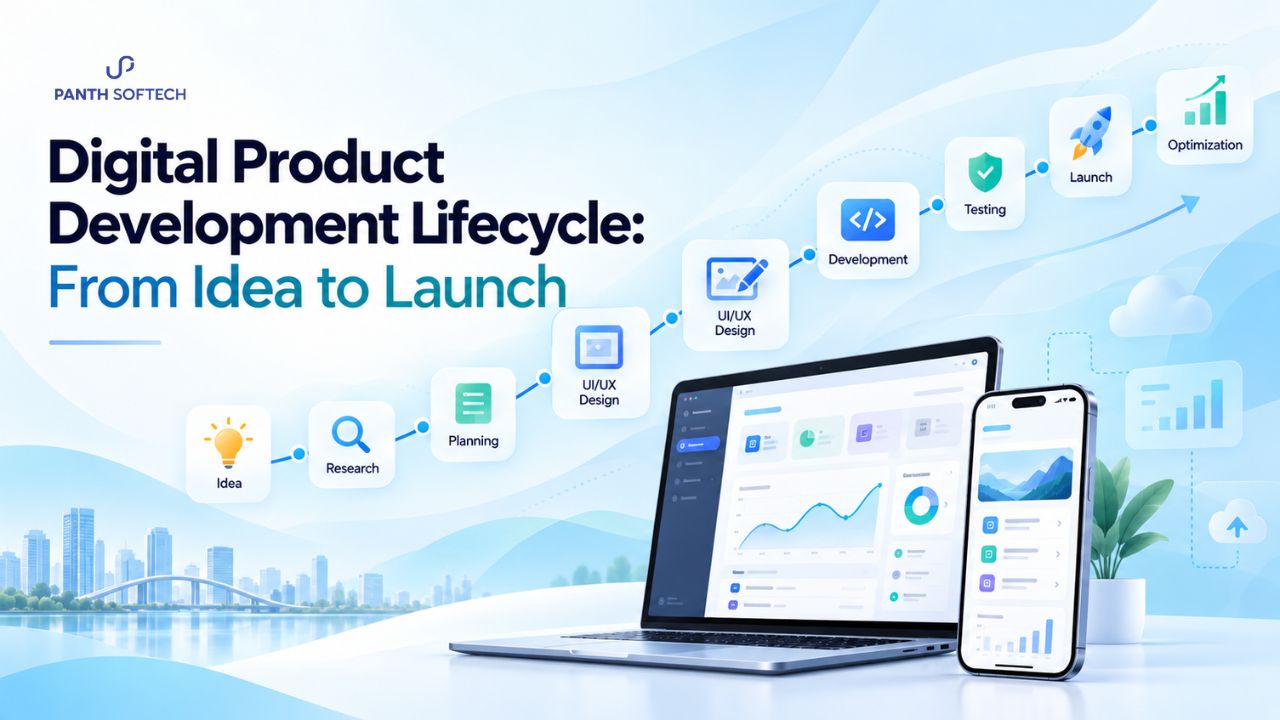
A typical project may follow this sequence:
- Weeks 1–3: Product discovery and requirements
- Weeks 2–5: UI/UX design and prototyping
- Weeks 4–10: Frontend and backend development
- Weeks 8–12: Integration and testing
- Weeks 11–16: Final QA, deployment, and launch
These stages can overlap, so the actual timeline will vary by project.
MVP vs. Prototype vs. Proof of Concept
MVPs, prototypes, and proofs of concept serve different purposes.
| Factor | Prototype | POC | MVP |
| Primary purpose | Test design and user experience | Test technical feasibility | Validate the product with users |
| Fully functional? | Usually no | Limited | Yes, for core functionality |
| Real users | Usually no | Usually no | Yes |
| Business validation | Limited | Limited | Stronger |
A prototype helps visualize an idea, while a POC determines whether a technical approach is feasible. An MVP goes further by putting a usable product in front of real users.
Custom MVP Development vs. Pre-Built Solutions
Businesses can choose between custom development and pre-built platforms.
Pre-built solutions can help launch simple products quickly and may reduce initial development work. However, they can become restrictive when a business requires unique workflows, custom integrations, specific user experiences, or long-term scalability.
Custom MVP development provides greater control over functionality, architecture, design, integrations, and future expansion.
For products expected to evolve into larger software platforms, custom development can provide a stronger foundation.
Hidden Costs of MVP Development
The development quote is not always the complete cost of launching an MVP.
Businesses should also consider:
- Cloud hosting
- Domain and SSL
- Third-party API fees
- Payment gateway charges
- Software licenses
- App Store and Google Play fees
- Analytics tools
- Security services
- Maintenance
- Bug fixes
- Technical support
- Post-launch development
Including these expenses in your initial budget can prevent unexpected costs after launch.
How to Reduce MVP Development Cost
Reducing cost does not necessarily mean choosing the cheapest development team. A better approach is to reduce unnecessary development work.
Focus on Essential Features
Build only what is required to validate the core product idea.
Use Existing APIs and Services
Reliable third-party services can eliminate the need to build certain capabilities from scratch.
Choose the Right Technology
The technology stack should match your current requirements while allowing reasonable future growth.
Build in Phases
Launch the core MVP first, gather user feedback, and prioritize future features based on actual demand.
Test Early
Early testing can identify usability and technical problems before they become expensive to resolve.
How to Choose an MVP Development Company
Choosing the right development partner can have a significant impact on both cost and product quality.
Before hiring an MVP development company, consider:
- Previous MVP projects
- Technical expertise
- Relevant industry experience
- Development methodology
- Communication process
- Project transparency
- QA and testing practices
- Security capabilities
- Scalability
- Post-launch support
- Pricing transparency
A good development partner should be able to explain what will be built, why it is required, how long it will take, and how the budget is allocated.
Why Choose Panth Softech for MVP Development?
Panth Softech helps businesses turn software ideas into functional digital products through product planning, UI/UX design, development, testing, deployment, and ongoing improvements.
As a custom software development company, Panth Softech can develop MVPs around specific business requirements instead of forcing a product into a predefined solution.
Its capabilities can also support businesses developing web applications, mobile applications, cloud-based products, AI-driven solutions, and other custom software products.
As a software product development company, Panth Softech focuses on building an initial product around essential requirements while keeping future growth and scalability in mind.
Have an MVP idea? Contact Panth Softech to discuss your requirements and get a practical estimate for your product’s scope, timeline, and development cost.
Conclusion
The cost of building an MVP depends on far more than the number of screens or features. Product complexity, platform requirements, integrations, design, security, technology, development location, testing, and ongoing infrastructure can all influence the final budget.
Instead of looking for one fixed MVP development cost, define the problem your product solves and identify the smallest set of features needed to validate the idea. A focused MVP can help you launch faster, collect meaningful user feedback, and make better decisions about future development.
If you’re planning a new software product, Panth Softech can help you define the MVP scope, select the right technology, estimate development costs, and build a scalable product foundation. Get in touch with Panth Softech to discuss your MVP idea and take the next step toward development.
FAQs About MVP Development Cost
1. How much does MVP development cost?
MVP development can range from approximately $15,000 for a simple product to $120,000 or more for a complex MVP. The final cost depends on features, platforms, integrations, design, technology, security, and development requirements.
2. What is the minimum viable product development cost?
A simple MVP can potentially start around $15,000, depending on its scope and the development team. A detailed feature and technical assessment is needed for a more accurate estimate.
3. How long does it take to build an MVP?
A basic MVP may take around 2–4 months, while medium-complexity products may take 4–6 months. Complex MVPs can take six months or longer.
4. Is custom MVP development more expensive?
Custom MVP development can cost more initially than using a pre-built platform, but it provides greater control over features, design, integrations, architecture, and future scalability.
5. What is included in MVP development services USA?
MVP development services may include product discovery, UI/UX design, frontend and backend development, API integration, testing, deployment, project management, and post-launch support. The exact scope varies by provider.
6. How can I reduce my MVP development cost?
Focus on essential features, use reliable APIs where appropriate, choose a suitable technology stack, build in phases, and test early. Avoid adding features that are not necessary to validate your core product idea.
7. What factors affect MVP development cost the most?
The biggest factors generally include product complexity, number of features, platforms, UI/UX requirements, integrations, security requirements, technology choices, development team rates, and ongoing infrastructure needs.